Buy latexbodys.com ?
We are moving the project
latexbodys.com .
Are you interested in purchasing the domain
latexbodys.com ?
domain@kv-gmbh.de · 0541-91531010
Buy latexbodys.com ?
Are halogen lamps energy-efficient?
Halogen lamps are not considered to be very energy-efficient. They are known for producing a lot of heat, which means they waste a significant amount of energy. In fact, they are less efficient than other types of lighting such as LED or CFL bulbs. Therefore, if energy efficiency is a priority, it is recommended to consider using alternative lighting options. **
Do dimmed lamps consume less energy?
Yes, dimmed lamps consume less energy. When a lamp is dimmed, it reduces the amount of electricity flowing to the light bulb, which in turn reduces the energy consumption. This is because the brightness of a light is directly related to the amount of electricity it uses, so dimming the light reduces its energy consumption. Therefore, dimming lamps can be an effective way to save energy and reduce electricity costs. **
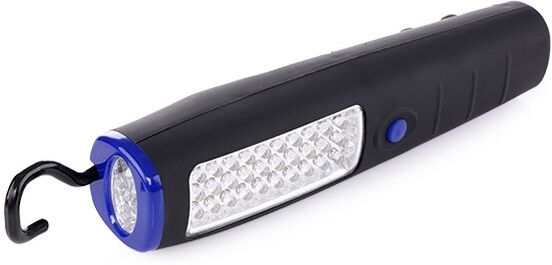
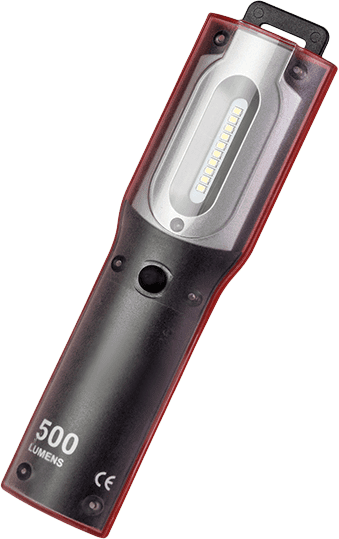
Similar search terms for ENERGY-NE00132-Hand-lamps
Top-Angebote
Products related to ENERGY-NE00132-Hand-lamps:


-
How can one switch to LED energy-saving lamps?
To switch to LED energy-saving lamps, one can start by identifying the types of bulbs they currently have in their home or office and then purchasing the equivalent LED bulbs. It's important to consider the color temperature and brightness level of the LED bulbs to ensure they meet the desired lighting needs. Once the LED bulbs are purchased, they can be easily installed by simply replacing the existing bulbs with the new LED ones. Additionally, it's important to properly dispose of the old bulbs, especially if they contain hazardous materials such as mercury. **
-
How can one recognize defective LED energy-saving lamps?
Defective LED energy-saving lamps can be recognized by several signs. These may include flickering or dimming of the light, inconsistent or uneven illumination, or a sudden change in color temperature. Additionally, if the lamp is making unusual buzzing or humming noises, or if it is overheating, these can also be indicators of a defective LED energy-saving lamp. It's important to regularly inspect and test LED lamps to ensure they are functioning properly and to replace any defective ones promptly. **
-
How can you recognize defective LED energy-saving lamps?
Defective LED energy-saving lamps can be recognized by several signs. These may include flickering or dimming of the light, inconsistent brightness, or a change in color temperature. Additionally, if the lamp is making buzzing or humming noises, or if it is overheating, these can also be indicators of a defective LED lamp. It is important to regularly check the condition of your LED lamps to ensure they are functioning properly and to replace any defective ones promptly. **
-
Are LED lamps more energy efficient than incandescent bulbs?
Yes, LED lamps are more energy efficient than incandescent bulbs. LED lamps use significantly less energy to produce the same amount of light as incandescent bulbs. In fact, LED lamps can use up to 80% less energy than incandescent bulbs, making them a more environmentally friendly and cost-effective lighting option. Additionally, LED lamps have a longer lifespan, further contributing to their energy efficiency. **
Is there a provider that only sells energy-efficient lamps?
Yes, there are providers that specialize in selling energy-efficient lamps. These providers may focus exclusively on offering a wide range of energy-efficient lighting options, including LED and CFL lamps. By specializing in energy-efficient lighting, these providers can offer expertise and a diverse selection of products to help customers reduce their energy consumption and lower their electricity bills. Customers can benefit from the knowledge and guidance of these specialized providers when choosing the best energy-efficient lighting solutions for their needs. **
Can solar cells be made to generate energy using lamps?
Yes, solar cells can generate energy using lamps. While solar cells are most effective when exposed to direct sunlight, they can still generate electricity from artificial light sources such as lamps. However, the amount of energy produced will be significantly lower compared to direct sunlight. This is because the intensity and spectrum of artificial light are different from natural sunlight, which affects the efficiency of the solar cells. Nonetheless, solar cells can still convert light energy from lamps into electricity, making them a versatile source of renewable energy. **
Top-Angebote
Products related to ENERGY-NE00132-Hand-lamps:
-
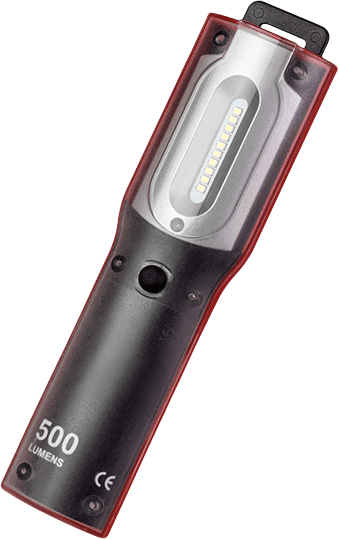
ENERGY NE00849 Hand lampsLuminous Flux 1 [lm]: 450; Luminous Flux 2 [lm]: 900; Lighting Power [W]: 12; Headlight Range [m]: 33,4; Light Duration [h]: 3, 12; Height: 185; Lamp Type: LED; Weight [g]: 580; Width [mm]: 195; Operating temperature from [°C]: -10; Operating temperature to [°C]: 40; Required appliance battery: Alcaline Manganese Battery (AlMn), AA (Mignon); Depth [mm]: 45; Number of device batteries required: 6; Shock Resistance (IK code): IK07 (up to 2.0J); Rechargeable Battery Voltage [V]: 1.5; DIN/ISO: IK07, IP54; Luminous Flux [lm]: 450, 90032,49 £*Shipping: 8,45 £Secure redirect to the provider
-
Are halogen lamps energy-efficient?
Halogen lamps are not considered to be very energy-efficient. They are known for producing a lot of heat, which means they waste a significant amount of energy. In fact, they are less efficient than other types of lighting such as LED or CFL bulbs. Therefore, if energy efficiency is a priority, it is recommended to consider using alternative lighting options. **
-
Do dimmed lamps consume less energy?
Yes, dimmed lamps consume less energy. When a lamp is dimmed, it reduces the amount of electricity flowing to the light bulb, which in turn reduces the energy consumption. This is because the brightness of a light is directly related to the amount of electricity it uses, so dimming the light reduces its energy consumption. Therefore, dimming lamps can be an effective way to save energy and reduce electricity costs. **
-
How can one switch to LED energy-saving lamps?
To switch to LED energy-saving lamps, one can start by identifying the types of bulbs they currently have in their home or office and then purchasing the equivalent LED bulbs. It's important to consider the color temperature and brightness level of the LED bulbs to ensure they meet the desired lighting needs. Once the LED bulbs are purchased, they can be easily installed by simply replacing the existing bulbs with the new LED ones. Additionally, it's important to properly dispose of the old bulbs, especially if they contain hazardous materials such as mercury. **
-
How can one recognize defective LED energy-saving lamps?
Defective LED energy-saving lamps can be recognized by several signs. These may include flickering or dimming of the light, inconsistent or uneven illumination, or a sudden change in color temperature. Additionally, if the lamp is making unusual buzzing or humming noises, or if it is overheating, these can also be indicators of a defective LED energy-saving lamp. It's important to regularly inspect and test LED lamps to ensure they are functioning properly and to replace any defective ones promptly. **
Similar search terms for ENERGY-NE00132-Hand-lamps
-
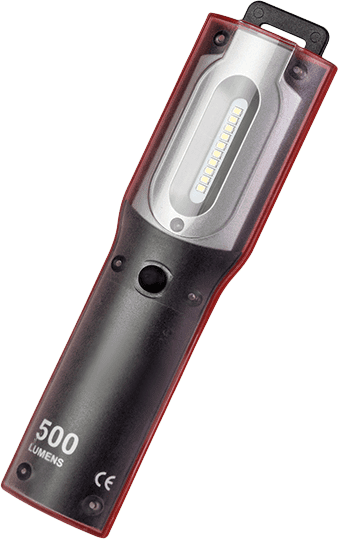
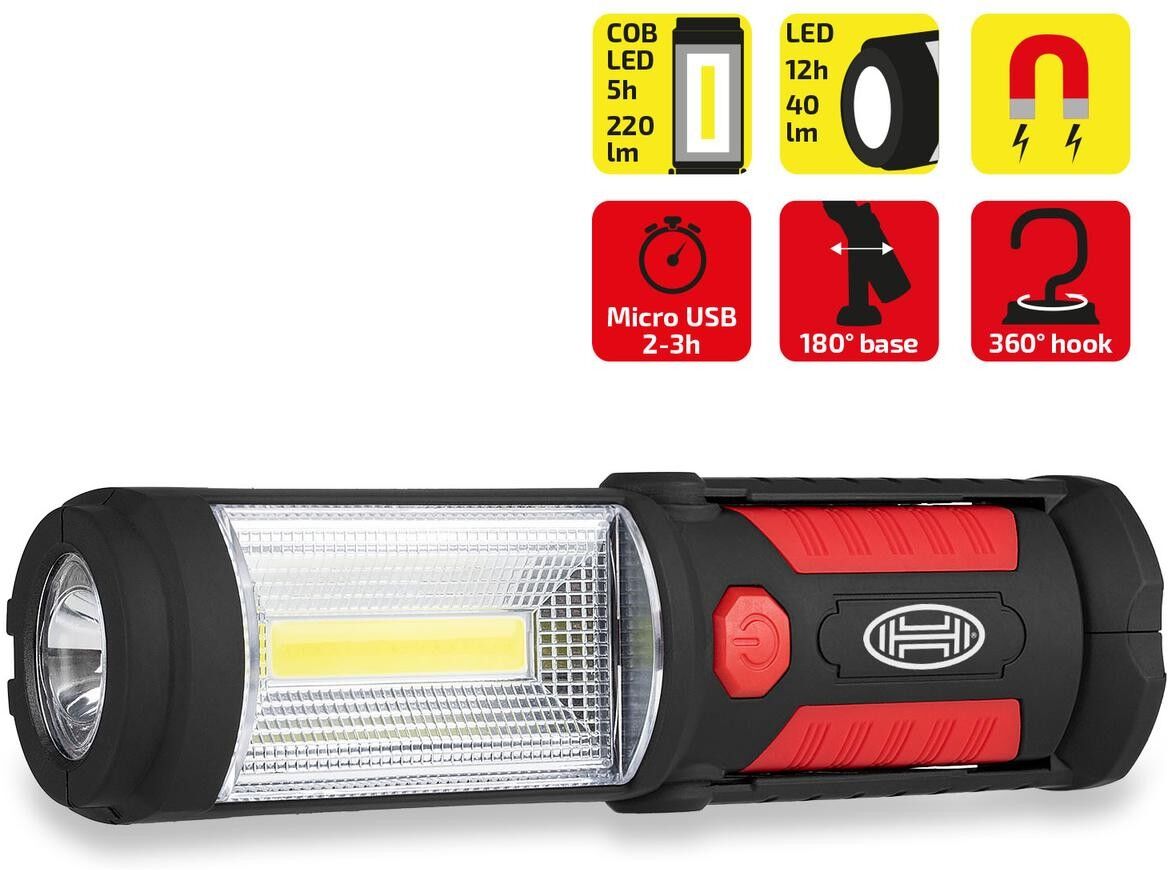
HEYNER 575100 Hand lampsLight Design: LED; Luminous Flux [lm]: 40, 220; Light Duration [h]: 6; Supplementary Article / Supplementary Info Info 2: Magnetic, with hook, with USB cable; Rotation angle [°]: 180°; Housing material: ABS (Acrylonitrile-Butadiene-Styrene Copolymerisate); Size: 55 x 45 x 215mm; Supplementary Article / Supplementary Info: with battery, with micro USB connector; adjustable: Hinged; Cable Length [m]: 0.8; Operating Mode: Battery; Features: with rechargeable battery, magnetic17,99 £*Shipping: 8,45 £Secure redirect to the provider
-
How can you recognize defective LED energy-saving lamps?
Defective LED energy-saving lamps can be recognized by several signs. These may include flickering or dimming of the light, inconsistent brightness, or a change in color temperature. Additionally, if the lamp is making buzzing or humming noises, or if it is overheating, these can also be indicators of a defective LED lamp. It is important to regularly check the condition of your LED lamps to ensure they are functioning properly and to replace any defective ones promptly. **
-
Are LED lamps more energy efficient than incandescent bulbs?
Yes, LED lamps are more energy efficient than incandescent bulbs. LED lamps use significantly less energy to produce the same amount of light as incandescent bulbs. In fact, LED lamps can use up to 80% less energy than incandescent bulbs, making them a more environmentally friendly and cost-effective lighting option. Additionally, LED lamps have a longer lifespan, further contributing to their energy efficiency. **
-
Is there a provider that only sells energy-efficient lamps?
Yes, there are providers that specialize in selling energy-efficient lamps. These providers may focus exclusively on offering a wide range of energy-efficient lighting options, including LED and CFL lamps. By specializing in energy-efficient lighting, these providers can offer expertise and a diverse selection of products to help customers reduce their energy consumption and lower their electricity bills. Customers can benefit from the knowledge and guidance of these specialized providers when choosing the best energy-efficient lighting solutions for their needs. **
-
Can solar cells be made to generate energy using lamps?
Yes, solar cells can generate energy using lamps. While solar cells are most effective when exposed to direct sunlight, they can still generate electricity from artificial light sources such as lamps. However, the amount of energy produced will be significantly lower compared to direct sunlight. This is because the intensity and spectrum of artificial light are different from natural sunlight, which affects the efficiency of the solar cells. Nonetheless, solar cells can still convert light energy from lamps into electricity, making them a versatile source of renewable energy. **
* All prices are inclusive of VAT and, if applicable, plus shipping costs. The offer information is based on the details provided by the respective shop and is updated through automated processes. Real-time updates do not occur, so deviations can occur in individual cases. ** Note: Parts of this content were created by AI.