Buy latexbodys.com ?
We are moving the project
latexbodys.com .
Are you interested in purchasing the domain
latexbodys.com ?
domain@kv-gmbh.de · 0541-91531010
Buy latexbodys.com ?
How did the peasants in the Peasants' War intend to enforce their demands?
The peasants in the Peasants' War intended to enforce their demands through armed rebellion and uprisings against the ruling nobility and authorities. They organized themselves into large groups, often led by charismatic leaders, and sought to challenge the oppressive feudal system by seizing control of land and resources. The peasants also engaged in acts of sabotage and destruction to pressure the ruling class into meeting their demands for greater rights and freedoms. Ultimately, the peasants' efforts were met with violent suppression by the ruling elites, leading to the failure of the Peasants' War. **
When were the peasants freed?
The peasants were freed in 1861 when Tsar Alexander II of Russia issued the Emancipation Manifesto, which abolished serfdom in the Russian Empire. This decree granted the peasants personal freedoms and the ability to own land, marking a significant shift in the social structure of Russia. The emancipation of the peasants was a major reform that aimed to modernize the country and improve the living conditions of the rural population. **


Similar search terms for Peasants
Top-Angebote
Products related to Peasants:
-
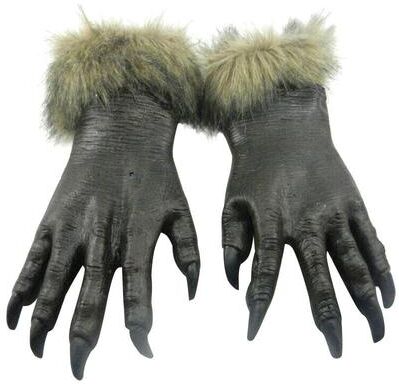
Snug & Styled Werewolf Costume Gloves Halloween Wolf Paw Latex Gloves For Masquerade Parties & Cosplay wolf GlovesTransform into a fierce creature of the night and make every entrance unforgettable. These Halloween Wolf Gloves are designed for partygoers, cosplayers, and costume enthusiasts who want a realistic and eyecatching look. Featuring a detailed gray...41,97 $*Shipping: 0,00 $Secure redirect to the provider
-
Fabric Fetish® - Coma Inducer® Oversized Comforter - Black"Inspired by a love for plush textures and fabrics. Sure, we understand the world ""Fetish"" could take you down a wormhole of twisted thoughts, but let's stay innocent for a moment."123,59 $*Shipping: 0,00 $Secure redirect to the provider
-
Fabric Fetish® - Coma Inducer® Oversized Comforter - Black"Inspired by a love for plush textures and fabrics. Sure, we understand the world ""Fetish"" could take you down a wormhole of twisted thoughts, but let's stay innocent for a moment."139,43 $*Shipping: 0,00 $Secure redirect to the provider
-
Fabric Fetish® - Coma Inducer® Oversized Comforter - Black"Inspired by a love for plush textures and fabrics. Sure, we understand the world ""Fetish"" could take you down a wormhole of twisted thoughts, but let's stay innocent for a moment."219,99 $*Shipping: 0,00 $Secure redirect to the provider


-
What was the landlord of the peasants?
The landlord of the peasants was typically a wealthy landowner or noble who owned the land that the peasants lived and worked on. The peasants would pay rent or provide labor in exchange for the right to live on and cultivate the land. The landlord often held significant power and authority over the peasants, collecting taxes, settling disputes, and enforcing laws on the land. This system of landlordship was common in feudal societies where land ownership was concentrated in the hands of a few powerful individuals. **
-
What are the consequences of the Peasants' War?
The consequences of the Peasants' War were significant. The revolt was brutally suppressed, resulting in the deaths of tens of thousands of peasants and the execution of many of their leaders. The power of the ruling nobility and the Catholic Church was reinforced, and the social and economic conditions of the peasants did not significantly improve. The war also led to increased religious and social tensions in Germany, contributing to the outbreak of the Thirty Years' War in 1618. Overall, the Peasants' War had a lasting impact on the social, political, and religious landscape of Germany. **
-
What are the causes of the Peasants' War?
The Peasants' War was primarily caused by the oppressive social and economic conditions faced by the peasants in 16th-century Germany. The peasants were burdened by heavy taxes, feudal obligations, and exploitation by the nobility and clergy. Additionally, the spread of Protestant ideas, particularly those advocating for social equality and justice, fueled the peasants' desire for change and inspired them to revolt against their rulers. The lack of political representation and the desire for greater autonomy also played a significant role in sparking the Peasants' War. **
-
How do you say "you peasants" in German?
In German, "you peasants" can be translated as "ihr Bauern." **


What is there to report about the Peasants' War?
The Peasants' War was a major uprising in 16th-century Europe, primarily in the Holy Roman Empire. It was sparked by widespread discontent among the peasant population due to oppressive social and economic conditions. The revolt was characterized by violent clashes between peasants and the ruling nobility, resulting in significant loss of life on both sides. The Peasants' War ultimately ended in defeat for the peasants, with many leaders being captured and executed. **
What did the peasants do at medieval peasant festivals?
At medieval peasant festivals, the peasants would engage in various activities such as dancing, singing, and playing games. They would also participate in feasting and drinking, often enjoying the fruits of their labor such as bread, cheese, and ale. These festivals provided a break from the hard work of farming and allowed the peasants to come together as a community to celebrate and socialize. Additionally, some festivals included religious ceremonies and processions, providing an opportunity for the peasants to express their faith and devotion. **
Top-Angebote
Products related to Peasants:
-
Fabric Fetish® - Coma Inducer® Oversized Comforter - Black"Inspired by a love for plush textures and fabrics. Sure, we understand the world ""Fetish"" could take you down a wormhole of twisted thoughts, but let's stay innocent for a moment."95,44 $*Shipping: 0,00 $Secure redirect to the provider
-
Inspired Finds Scary Red Tongue Scream Mask Full Head Latex Halloween Costume dGet the terrifying reaction you want the moment you walk into the room. This creepy Halloween scream mask transforms your entire face and head into a nightmareinspired horror character with disturbing tongue detail and realistic texture. Made from...45,99 $*Shipping: 0,00 $Secure redirect to the provider
-
Snug & Styled Werewolf Costume Gloves Halloween Wolf Paw Latex Gloves For Masquerade Parties & Cosplay wolf GlovesTransform into a fierce creature of the night and make every entrance unforgettable. These Halloween Wolf Gloves are designed for partygoers, cosplayers, and costume enthusiasts who want a realistic and eyecatching look. Featuring a detailed gray...41,97 $*Shipping: 0,00 $Secure redirect to the provider
-
Fabric Fetish® - Coma Inducer® Oversized Comforter - Black"Inspired by a love for plush textures and fabrics. Sure, we understand the world ""Fetish"" could take you down a wormhole of twisted thoughts, but let's stay innocent for a moment."123,59 $*Shipping: 0,00 $Secure redirect to the provider
-
How did the peasants in the Peasants' War intend to enforce their demands?
The peasants in the Peasants' War intended to enforce their demands through armed rebellion and uprisings against the ruling nobility and authorities. They organized themselves into large groups, often led by charismatic leaders, and sought to challenge the oppressive feudal system by seizing control of land and resources. The peasants also engaged in acts of sabotage and destruction to pressure the ruling class into meeting their demands for greater rights and freedoms. Ultimately, the peasants' efforts were met with violent suppression by the ruling elites, leading to the failure of the Peasants' War. **
-
When were the peasants freed?
The peasants were freed in 1861 when Tsar Alexander II of Russia issued the Emancipation Manifesto, which abolished serfdom in the Russian Empire. This decree granted the peasants personal freedoms and the ability to own land, marking a significant shift in the social structure of Russia. The emancipation of the peasants was a major reform that aimed to modernize the country and improve the living conditions of the rural population. **
-
What was the landlord of the peasants?
The landlord of the peasants was typically a wealthy landowner or noble who owned the land that the peasants lived and worked on. The peasants would pay rent or provide labor in exchange for the right to live on and cultivate the land. The landlord often held significant power and authority over the peasants, collecting taxes, settling disputes, and enforcing laws on the land. This system of landlordship was common in feudal societies where land ownership was concentrated in the hands of a few powerful individuals. **
-
What are the consequences of the Peasants' War?
The consequences of the Peasants' War were significant. The revolt was brutally suppressed, resulting in the deaths of tens of thousands of peasants and the execution of many of their leaders. The power of the ruling nobility and the Catholic Church was reinforced, and the social and economic conditions of the peasants did not significantly improve. The war also led to increased religious and social tensions in Germany, contributing to the outbreak of the Thirty Years' War in 1618. Overall, the Peasants' War had a lasting impact on the social, political, and religious landscape of Germany. **
Similar search terms for Peasants
-
Fabric Fetish® - Coma Inducer® Oversized Comforter - Black"Inspired by a love for plush textures and fabrics. Sure, we understand the world ""Fetish"" could take you down a wormhole of twisted thoughts, but let's stay innocent for a moment."139,43 $*Shipping: 0,00 $Secure redirect to the provider
-
Fabric Fetish® - Coma Inducer® Oversized Comforter - Black"Inspired by a love for plush textures and fabrics. Sure, we understand the world ""Fetish"" could take you down a wormhole of twisted thoughts, but let's stay innocent for a moment."219,99 $*Shipping: 0,00 $Secure redirect to the provider
-
Inspired Finds Scary Red Tongue Scream Mask Full Head Latex Halloween Costume bGet the terrifying reaction you want the moment you walk into the room. This creepy Halloween scream mask transforms your entire face and head into a nightmareinspired horror character with disturbing tongue detail and realistic texture. Made from...45,99 $*Shipping: 0,00 $Secure redirect to the provider
-
Inspired Finds Scary Red Tongue Scream Mask Full Head Latex Halloween Costume aGet the terrifying reaction you want the moment you walk into the room. This creepy Halloween scream mask transforms your entire face and head into a nightmareinspired horror character with disturbing tongue detail and realistic texture. Made from...45,99 $*Shipping: 0,00 $Secure redirect to the provider
-
What are the causes of the Peasants' War?
The Peasants' War was primarily caused by the oppressive social and economic conditions faced by the peasants in 16th-century Germany. The peasants were burdened by heavy taxes, feudal obligations, and exploitation by the nobility and clergy. Additionally, the spread of Protestant ideas, particularly those advocating for social equality and justice, fueled the peasants' desire for change and inspired them to revolt against their rulers. The lack of political representation and the desire for greater autonomy also played a significant role in sparking the Peasants' War. **
-
How do you say "you peasants" in German?
In German, "you peasants" can be translated as "ihr Bauern." **
-
What is there to report about the Peasants' War?
The Peasants' War was a major uprising in 16th-century Europe, primarily in the Holy Roman Empire. It was sparked by widespread discontent among the peasant population due to oppressive social and economic conditions. The revolt was characterized by violent clashes between peasants and the ruling nobility, resulting in significant loss of life on both sides. The Peasants' War ultimately ended in defeat for the peasants, with many leaders being captured and executed. **
-
What did the peasants do at medieval peasant festivals?
At medieval peasant festivals, the peasants would engage in various activities such as dancing, singing, and playing games. They would also participate in feasting and drinking, often enjoying the fruits of their labor such as bread, cheese, and ale. These festivals provided a break from the hard work of farming and allowed the peasants to come together as a community to celebrate and socialize. Additionally, some festivals included religious ceremonies and processions, providing an opportunity for the peasants to express their faith and devotion. **
* All prices are inclusive of VAT and, if applicable, plus shipping costs. The offer information is based on the details provided by the respective shop and is updated through automated processes. Real-time updates do not occur, so deviations can occur in individual cases. ** Note: Parts of this content were created by AI.